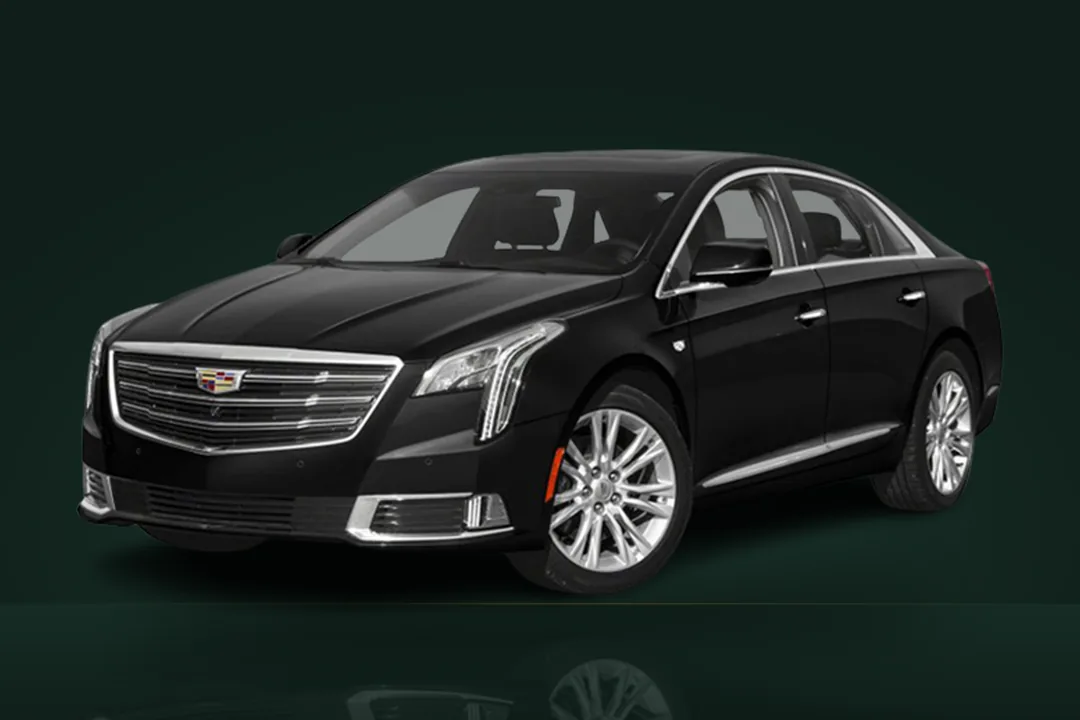
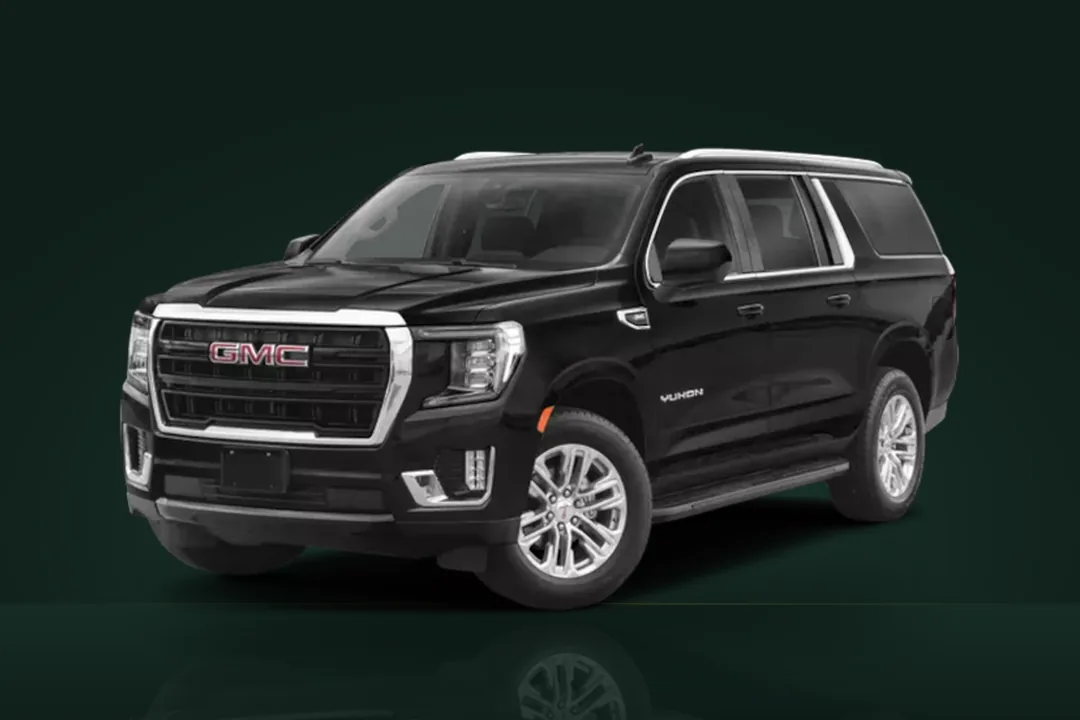
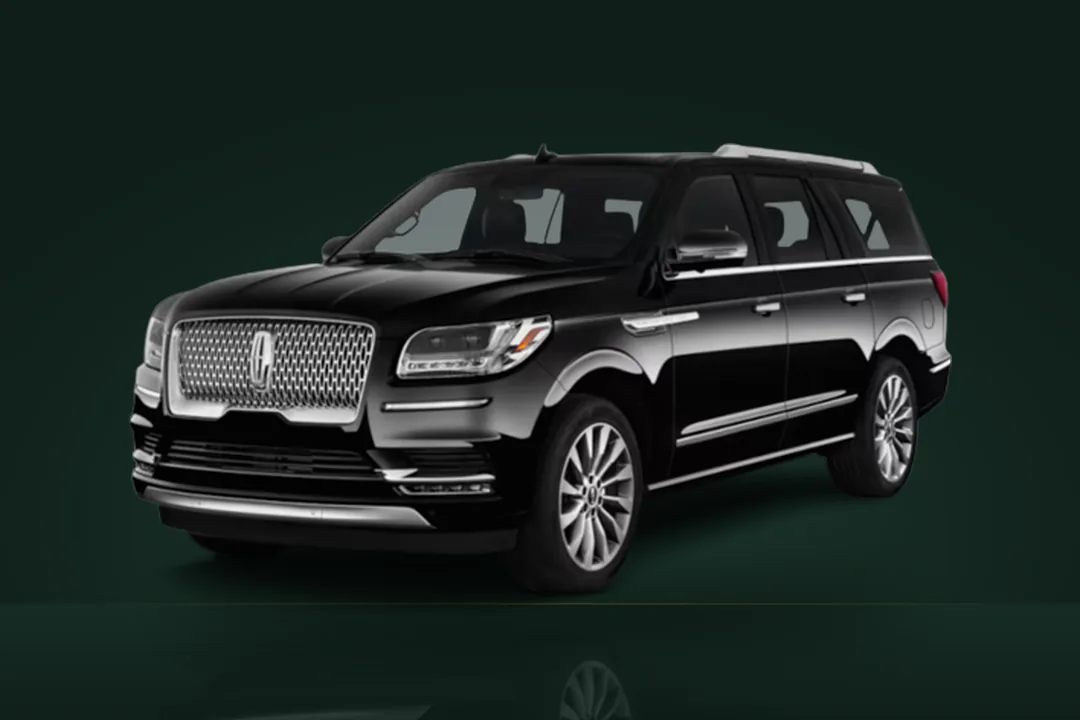





For executive car service to meet a client, pick by passengers and bags. One client with a carry-on: a first-class sedan, $1,070–1,230 from Pearson to Cobourg (127 km, 80–120 min). Two or more with luggage, or a winter trip: an executive SUV for up to six, $800–920, which costs less. For most visitors a business sedan at $500–575 is honestly enough. Book direct at CobourgLimo.com/book/.
Our executive limo and car service from Cobourg page describes the classes; this post is for the person booking on someone else's behalf, usually an assistant or a host. When you have decided, book the client's car on our reservation engine: choose the vehicle, see the fixed all-in fare, confirm.
Which executive car service vehicle should meet your client?
Start with three facts, in this order: how many people are travelling, how many bags they have, and what month it is. The reservation engine's caps are firm. A business sedan or a first-class sedan carries two passengers and two bags. A business SUV or an executive SUV carries six and six. Anyone travelling with a colleague and checked luggage has already outgrown a sedan, whatever their title. Only after that do impressions come in.
When is a business sedan honestly enough?
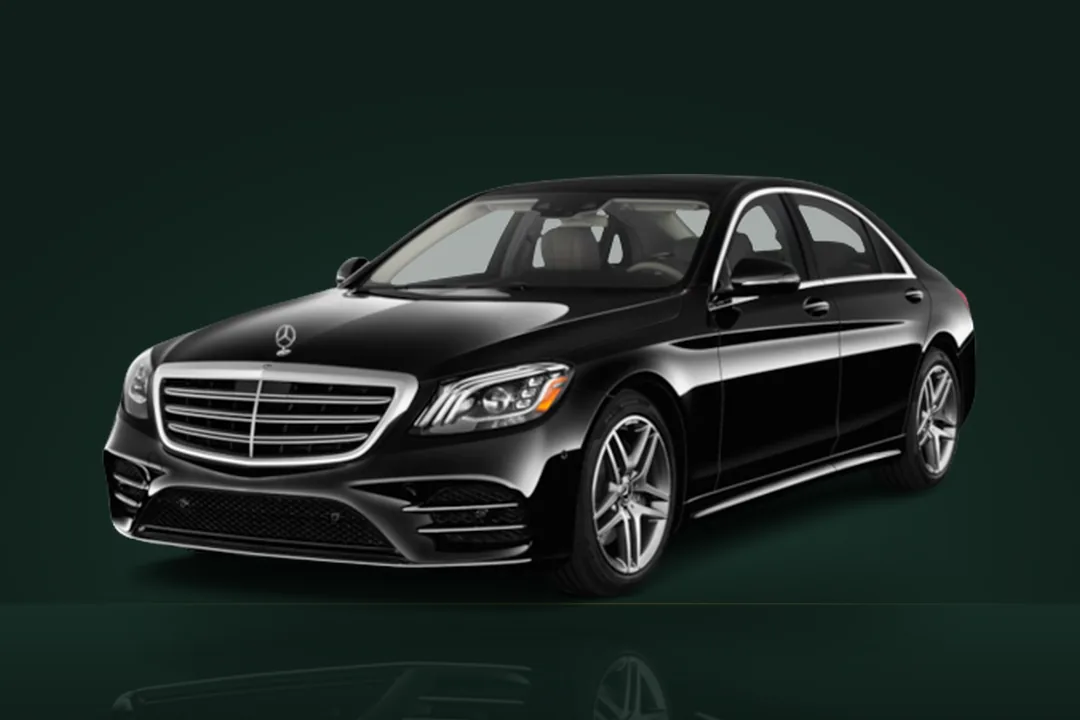
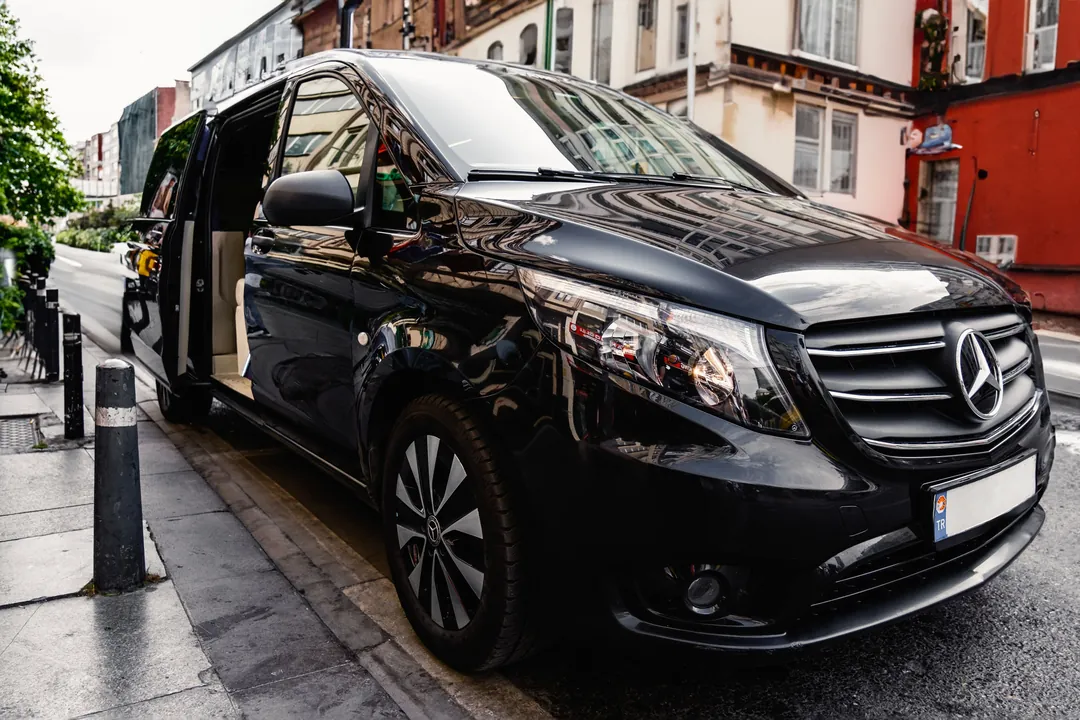
More often than people think. A business sedan is a clean, quiet, unbranded car with a professional chauffeur, the same dispatch and the same flight tracking as every other class. For a supplier visit, an auditor, a candidate or a consultant arriving for a working day, it says organised and sensible. Upgrade when the visit carries real weight: a new client, a board member, an investor, someone you want to remember the arrival. One more honest point: a client who lands at 11 p.m. after a transatlantic flight mostly wants a warm car, a quiet chauffeur and a straight run east. The class matters less than the timing, and every class gets the same flight tracking and the same included waiting from actual landing, 60 minutes on international arrivals.
What do the first-class sedan and executive SUV each do better?
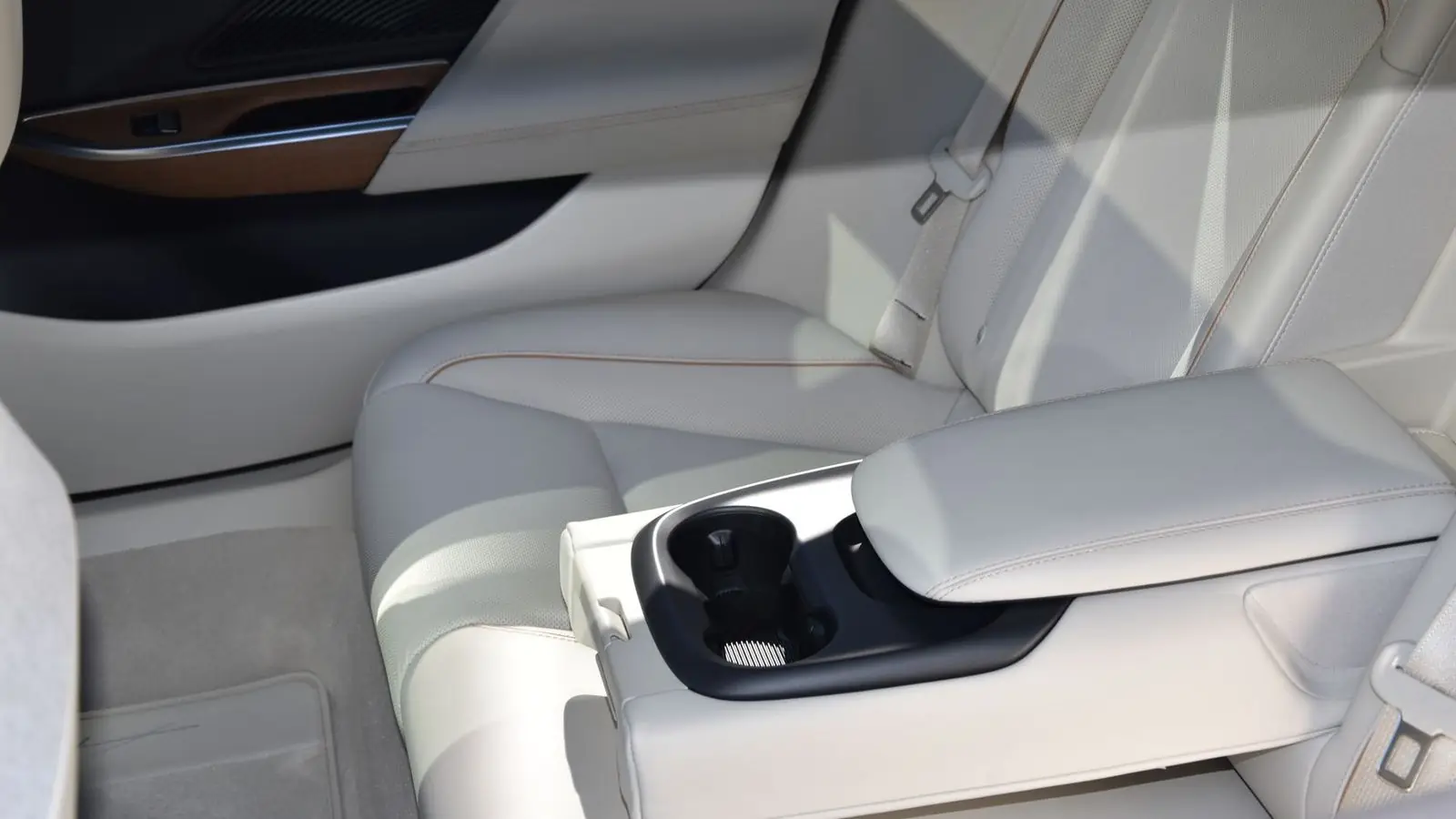
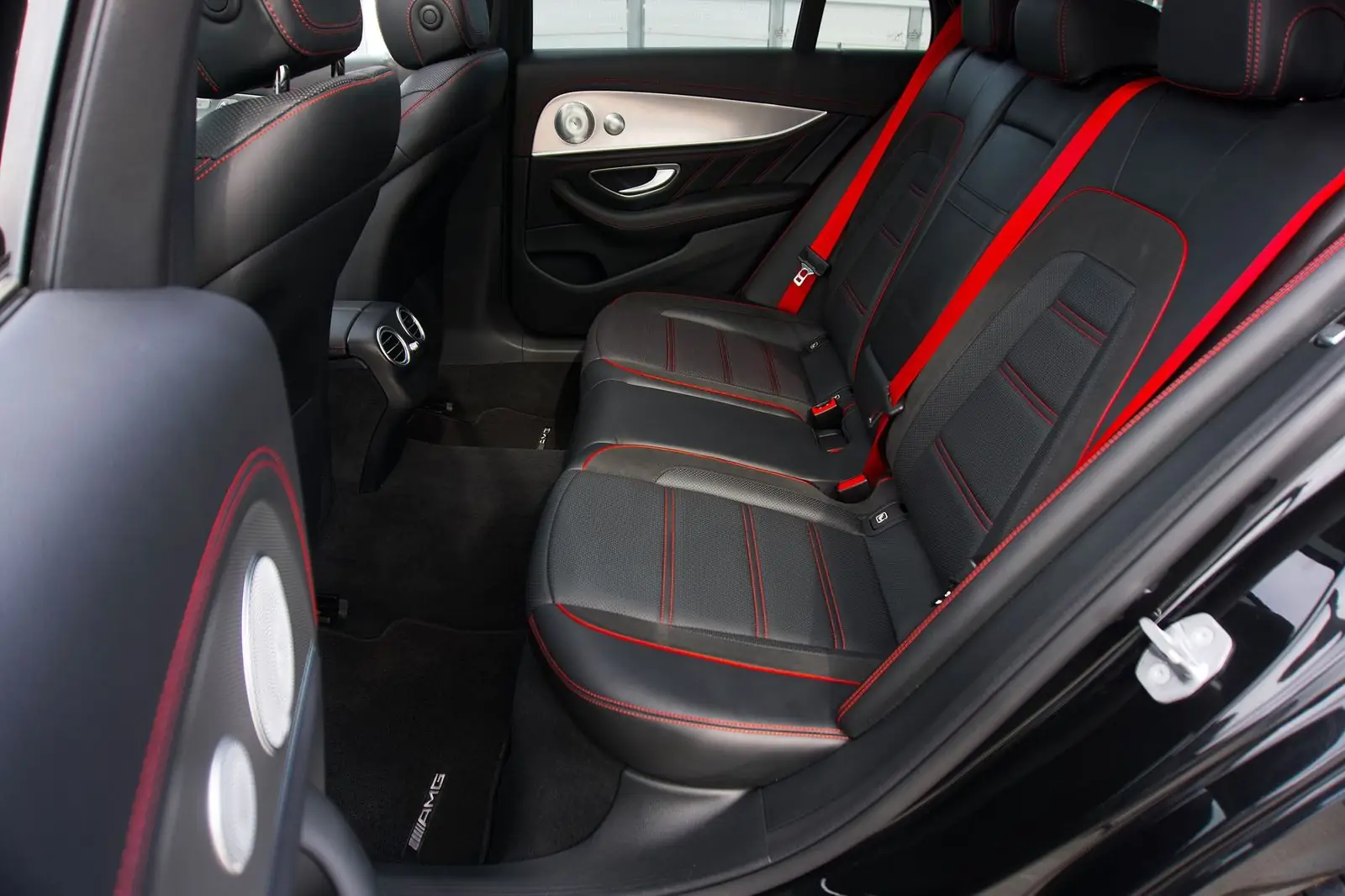
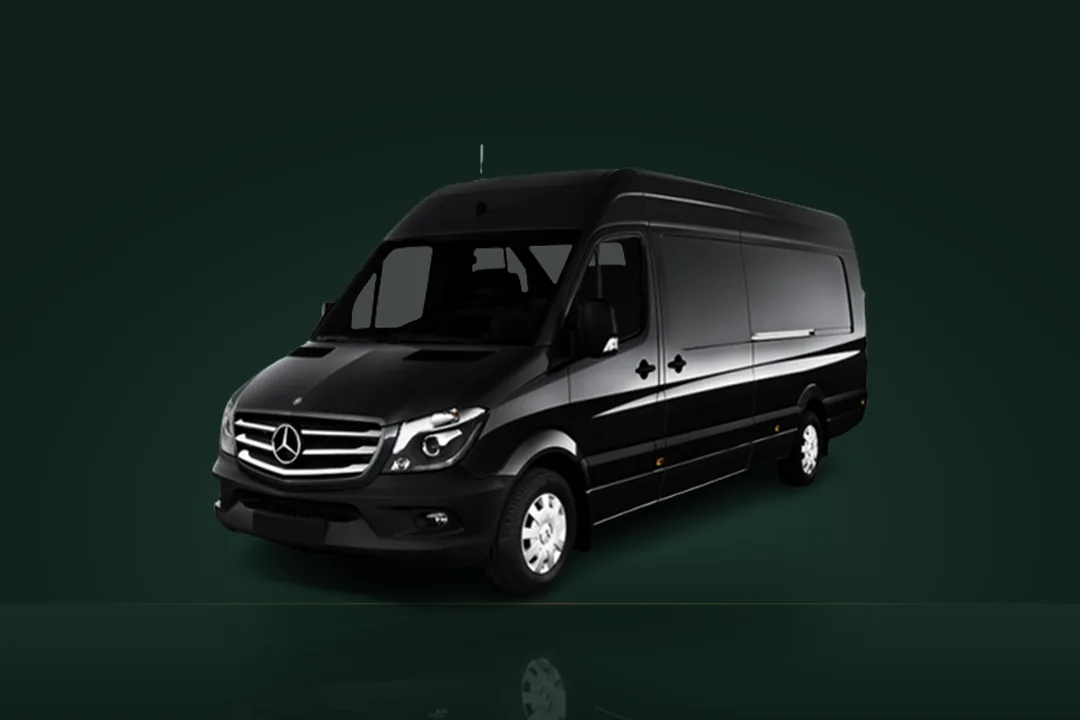
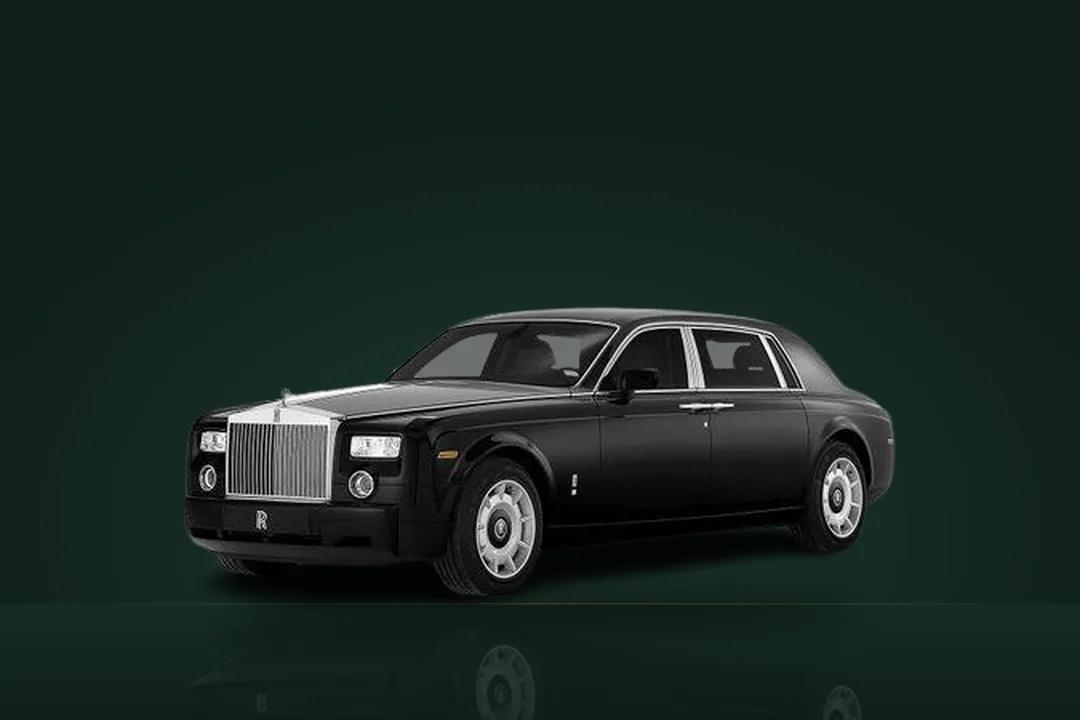
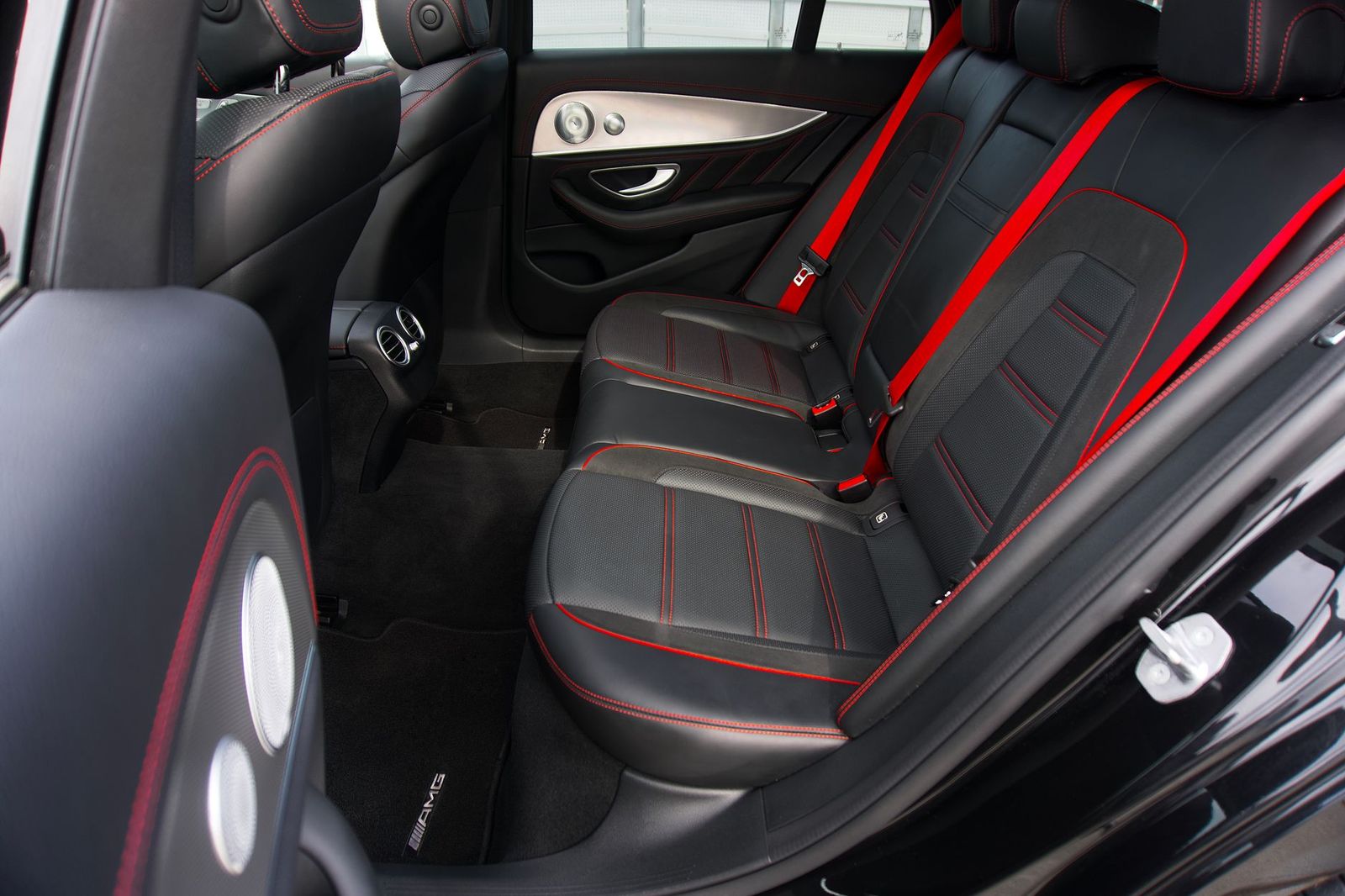
The first-class sedan is about the rear seat: one passenger, generous legroom, a quieter and smoother ride on the 401, and a car that looks like an occasion at the curb outside a Cobourg office or a King Street inn. The executive SUV is about space and presence: room for papers and coats, high seats that see over traffic, and composure on a snowy shore road. On the same trip the SUV costs less than the first-class sedan.
What does each cost to Pearson, Union Station and the airports?
| Cobourg to | km | Drive time | Business sedan (2/2) | Business SUV (6/6) | Executive SUV (6/6) | First-class sedan (2/2) |
|---|---|---|---|---|---|---|
| Toronto Pearson (YYZ) | 127 | 1.25–2 h | $500–575 | $640–735 | $800–920 | $1,070–1,230 |
| Union Station / downtown | 120 | 1.25–2 h | $490–565 | $620–715 | $780–895 | $1,050–1,210 |
| Billy Bishop (YTZ) | 122 | 1.5–2 h | $520–600 | $670–770 | $830–955 | $1,120–1,290 |
| Oshawa Executive (YOO) | 69 | 45–60 min | $330–380 | $430–495 | $550–635 | $750–860 |
One-way, all-in planning ranges from Victoria Hall in Cobourg, including gratuity, fuel, 407 ETR tolls when the planned route uses it and the taxes the engine shows. The reservation engine shows the exact fixed fare. The Pearson round-trip package covers a visitor's arrival and departure: $1,600 all-in in an executive SUV or $1,000 in a business sedan.
Which vehicle for one client with a carry-on?
The first-class sedan if the visit matters, the business sedan if it is routine. A single passenger in the back of a first-class sedan has the rear cabin to themselves, and a two-hour drive from Toronto Pearson becomes time to rest or read. One large checked case and a garment bag is still two bags; a third bag means an SUV.
Which for two or three visitors with luggage?
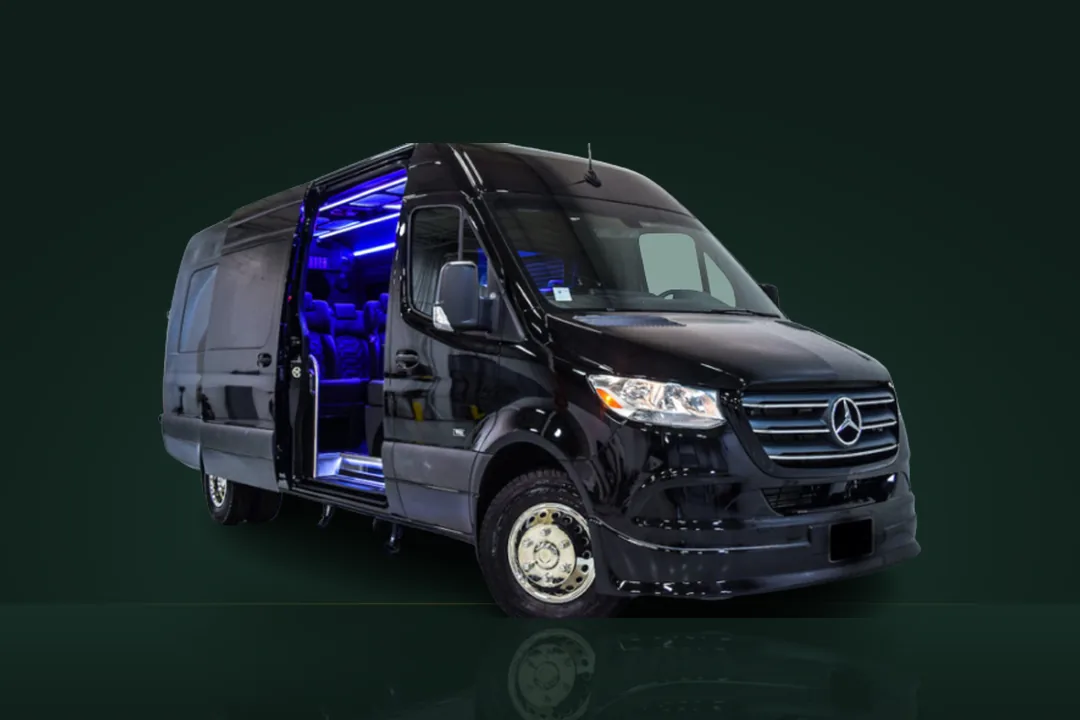
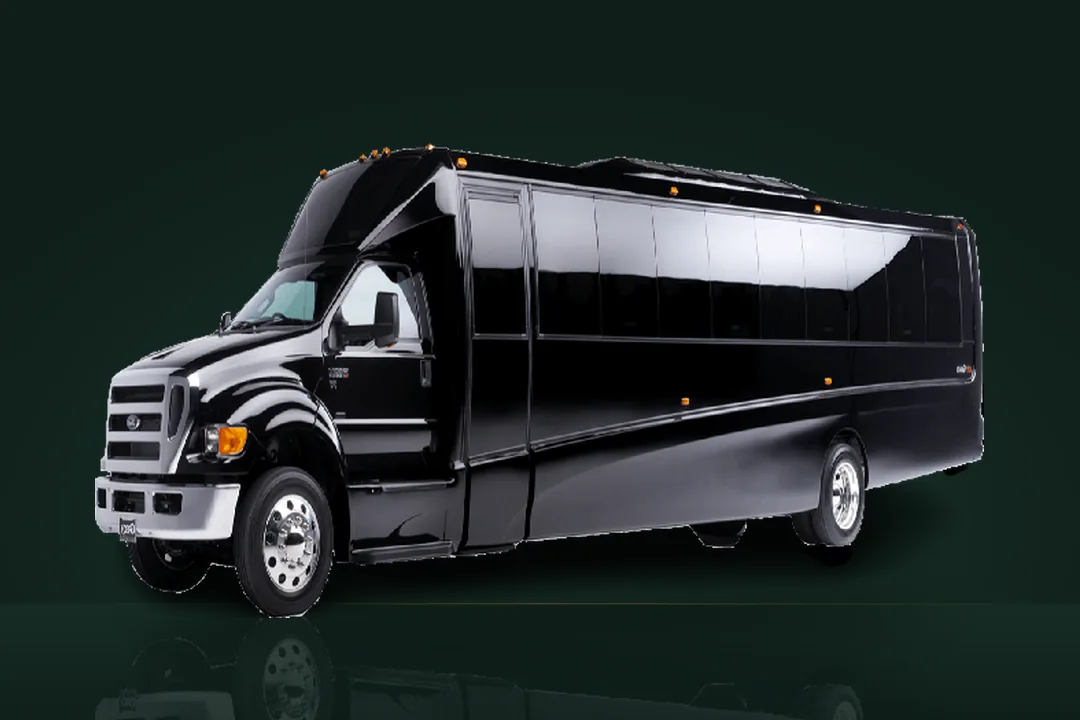
The executive SUV, every time. Two senior people sharing a sedan with cases on their laps is a poor first impression, and the engine will not book three into a sedan anyway. An executive SUV takes up to six with six bags, keeps the group together for the conversation on the 401 and, at $800–920 from Pearson, costs less than one first-class sedan. For a delegation of seven, the Jet Sprinter seats seven in lounge chairs.
Does winter change the answer?
Yes. From December to March, lake-effect squalls off Lake Ontario can whiten short stretches of the 401 east of Toronto and the shore roads through Northumberland. Every car runs winter tires from November to April, but an executive SUV's height and space make a winter arrival calmer, with room for boots and heavy coats. For a January client visit, book the SUV unless the client is travelling alone and light. Lake-effect snow is very local, so the forecast in Cobourg says little about the 401 at Port Hope; dispatch checks Ontario 511 before the run and will call if a squall warning suggests an earlier pickup.
Which is easier for an older client or someone with limited mobility?
It depends on the person. A sedan's lower seat suits someone who finds a high step awkward; an SUV's higher seat suits someone who finds it hard to rise from a low one. If you know the client, ask. If they use a wheelchair, book our wheelchair-accessible vehicle ahead and mention it at booking, and add a note about walkers or canes so the chauffeur is ready to help.
What about a Maybach or the Jet Sprinter?
When the arrival has to be the best car on the road, a partner Mercedes-Maybach can be booked on the engine for two passengers and two bags, planned at $1,970–2,265 from Pearson to Cobourg. It comes from a vetted partner operator, contracted to our standard. A Rolls-Royce is also a partner car but is not on the booker; a coordinator prices it in writing. For a leadership team, the Jet Sprinter turns the drive into a meeting room for up to seven, $2,270–2,610 from Pearson.
Should the chauffeur meet the client inside arrivals?
For a first-time visitor, yes. The fare includes a curbside pickup at the terminal's commercial pickup area, Door A on Pearson's Arrivals Level, timed to the actual landing. The meet and greet service is a $150 add-on: the chauffeur waits inside arrivals with a name board and walks the client to the car. For a private flight, the chauffeur waits at the FBO door named on the trip sheet, such as Signature, tracked by tail number; planeside access happens only where the FBO and the airport arrange it. See the Pearson FBO page.
What should the person booking tell us?
- The client's name as it should appear on a name board, and their mobile number.
- The flight number, or the train if they arrive at Union Station.
- Passengers and bags, honestly counted, including golf bags or sample cases.
- The final address, with the right entrance for an office or inn.
- Anything the chauffeur should know: cabin temperature, a quiet ride, a stop for coffee.
What mistakes do assistants make?
- Booking a sedan for two people with checked bags. That is three or four bags; book an SUV.
- Putting their own mobile number on the booking, so the chauffeur texts the office instead of the client.
- Upgrading the car and skipping meet and greet, when the name board is what a visitor notices first.
- Forgetting the return. Book both legs, or the round-trip package, at the same time.
How do I book for a client?
Enter the client's details, the flight and the class on the engine, add meet and greet if wanted, and confirm. For a full day of client meetings after the pickup, see our post on a day of meetings in Toronto by hourly car, or keep the SUV by the hour for a roadshow along the 401. If the client's flights and hotel are still open, our travel desk can book them too.