






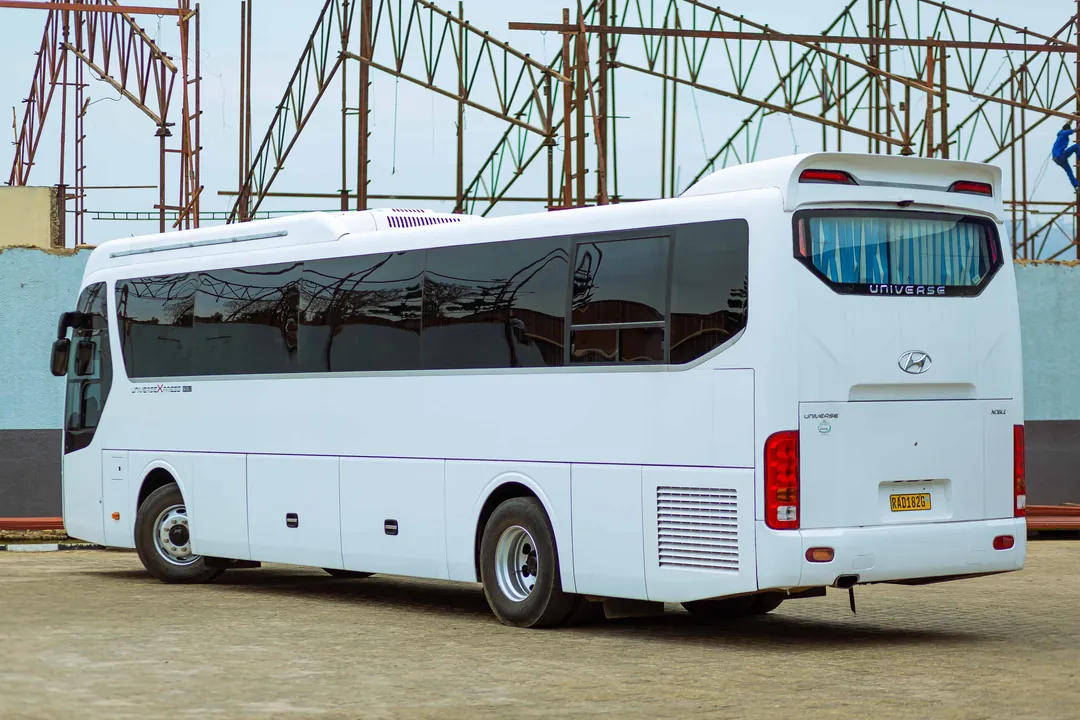




For filming in Northumberland, a chauffeur service covers the people moves a production does not want its crew driving: cast arrivals from Pearson (127 km) or Union Station (120 km), Sprinter shuttles for up to 12 between hotels and set, and cars on standby by the hour from $135–155. Crew with their own trucks and cars should keep them. Book direct at CobourgLimo.com/book/.
The film and TV production transport page lists what we provide; this post is the planning list for a transport coordinator or production manager bringing a shoot to Cobourg, Port Hope or Prince Edward County. When the call sheet is close to final, book the first moves on our reservation engine: choose the vehicle, see the fixed all-in fare, confirm.
What does filming in Northumberland ask of transport?
Distance, mostly. Locations in Cobourg, Port Hope and the County sit 120 to 230 km from where most of the cast and crew live, so every shoot day starts and ends with the 401. Hotels and inns are spread between Port Hope and Picton, and a unit move from a Cobourg street to a County farm is a 75- to 90-minute drive. Transport planning is about making those distances predictable, so a call time means the same thing on day nine as on day one.
Which moves should a production book with a chauffeur, and which not?
Keep it honest. Department trucks, grip and electric, camera and the crew who drive themselves to base camp do not need us; mileage or a crew vehicle is cheaper. We fit the moves where a professional driver changes the outcome: principal cast to and from set, cast arriving or leaving through Pearson or Union Station, crew shuttles from a hotel when parking at the location is limited, and the late wrap when nobody should drive two hours home tired.
What do Cobourg and Port Hope ask of productions?
Both municipalities run their own process. The Town of Cobourg's filming page says productions complete an application and follow the applicable fees; parking-lot use is charged at the town's parking rates, and items such as road closures and drone use are set out in the town's Fees and Charges By-law. The Municipality of Port Hope's filming page describes its own permit process. For transport, the practical points are where base camp and cast holding can park, and which streets close, because that decides where cars drop and wait. Productions based in Toronto will know the City of Toronto film office; province-wide support is through Ontario Creates.
How do cast arrivals from Pearson and Union work?
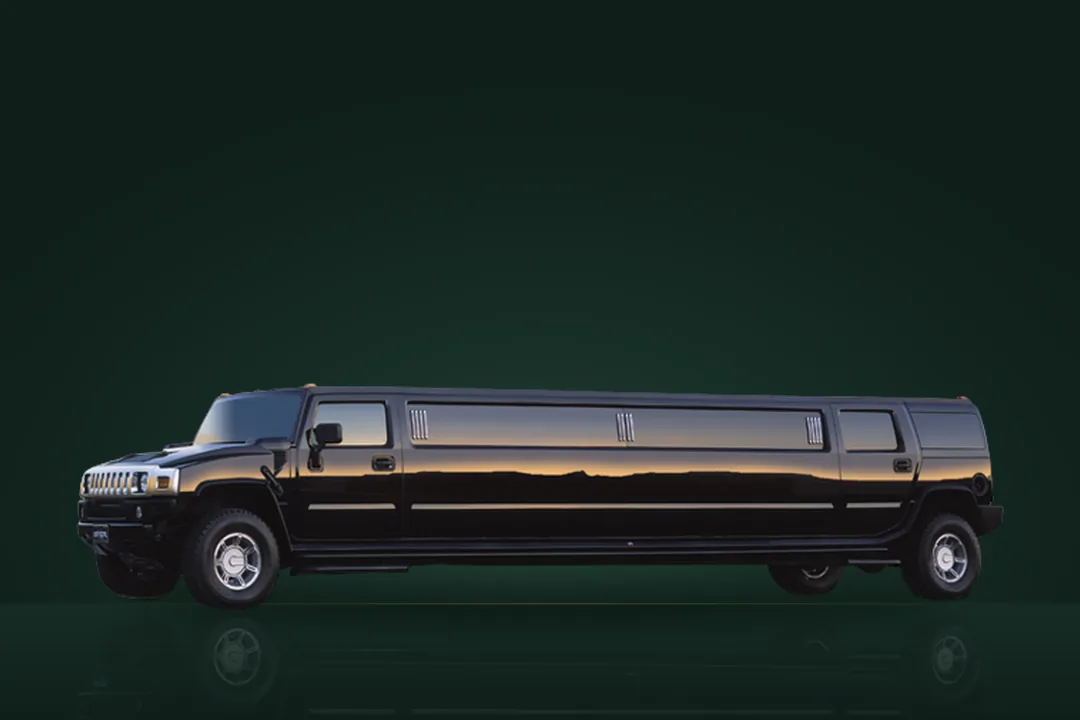
Give us the flight or train and the hotel. At Toronto Pearson, pre-arranged cars meet curbside at Door A on the Arrivals Level, timed to the actual landing; for talent who should not stand at a curb, the meet and greet add-on ($150) puts the chauffeur inside arrivals with a name board. At Union Station, the car waits on Front Street toward York, outside 65 Front St W, with the train tracked. Pearson to Cobourg is about 127 km; a business sedan plans at $500–575, an executive SUV at $800–920.
What does a shoot-day transport plan look like?
- 4:45 a.m. Sprinter leaves the crew hotel in Port Hope for base camp in Cobourg, 11 km.
- 5:30 a.m. Crew call. The Sprinter returns to the hotel for a second run if the call is split.
- 6:15 a.m. Principal cast picked up at their inn by an executive SUV, to the trailers at base camp.
- 12:30 p.m. Lunch on set. The standby car stays.
- 2:00 p.m. Unit move to a second location; cast travel in the standby car, crew in the Sprinter.
- 7:30 p.m. Wrap. Cast to the inn; one day player to Union Station, 120 km, for an evening train.
- 8:15 p.m. Crew back to the hotel.

How do crew shuttles run between hotels and set?
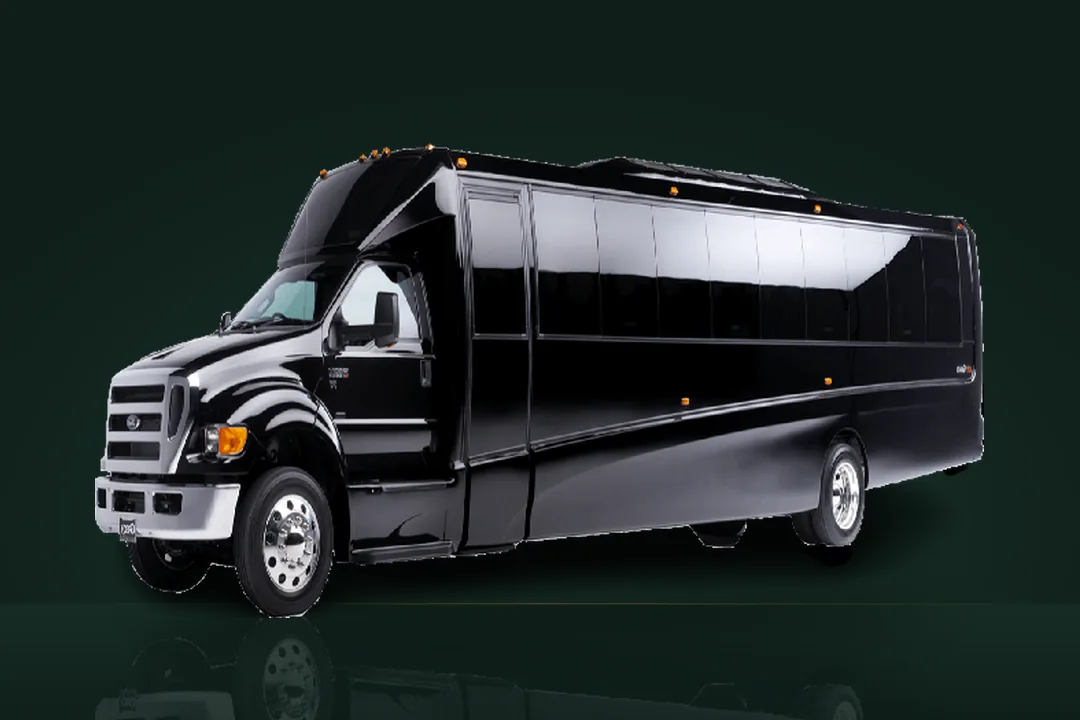
An Executive Sprinter carries up to 12 people and 12 bags. A shuttle between a Port Hope hotel and a Cobourg location is $580–665 one way; booking the Sprinter by the hour, $475–545, lets it loop between hotel, base camp and set as calls change. For larger crews, partner coaches for 24 to 56 are priced in writing by a coordinator. See our post on employee and crew shuttles around shifts for the timing logic.
What does set standby cost by the hour?
| Vehicle | Seats / bags | Per hour, all-in | 6 hours | 12-hour day |
|---|---|---|---|---|
| Business sedan | 2 / 2 | $135–155 | $810–930 | $1,620–1,860 |
| Business SUV | 6 / 6 | $190–220 | $1,140–1,320 | $2,280–2,640 |
| Executive SUV | 6 / 6 | $255–295 | $1,530–1,770 | $3,060–3,540 |
| Executive Sprinter | 12 / 12 | $475–545 | $2,850–3,270 | $5,700–6,540 |
Planning ranges with a 3-hour minimum and extra time in 30-minute blocks. One-way reference fares from Victoria Hall: Port Hope $160–185 (11 km), Picton $440–505 (101 km), Union Station $490–565 (120 km). The reservation engine quotes the exact addresses, dates and vehicles.
How do night shoots and turnaround change the booking?
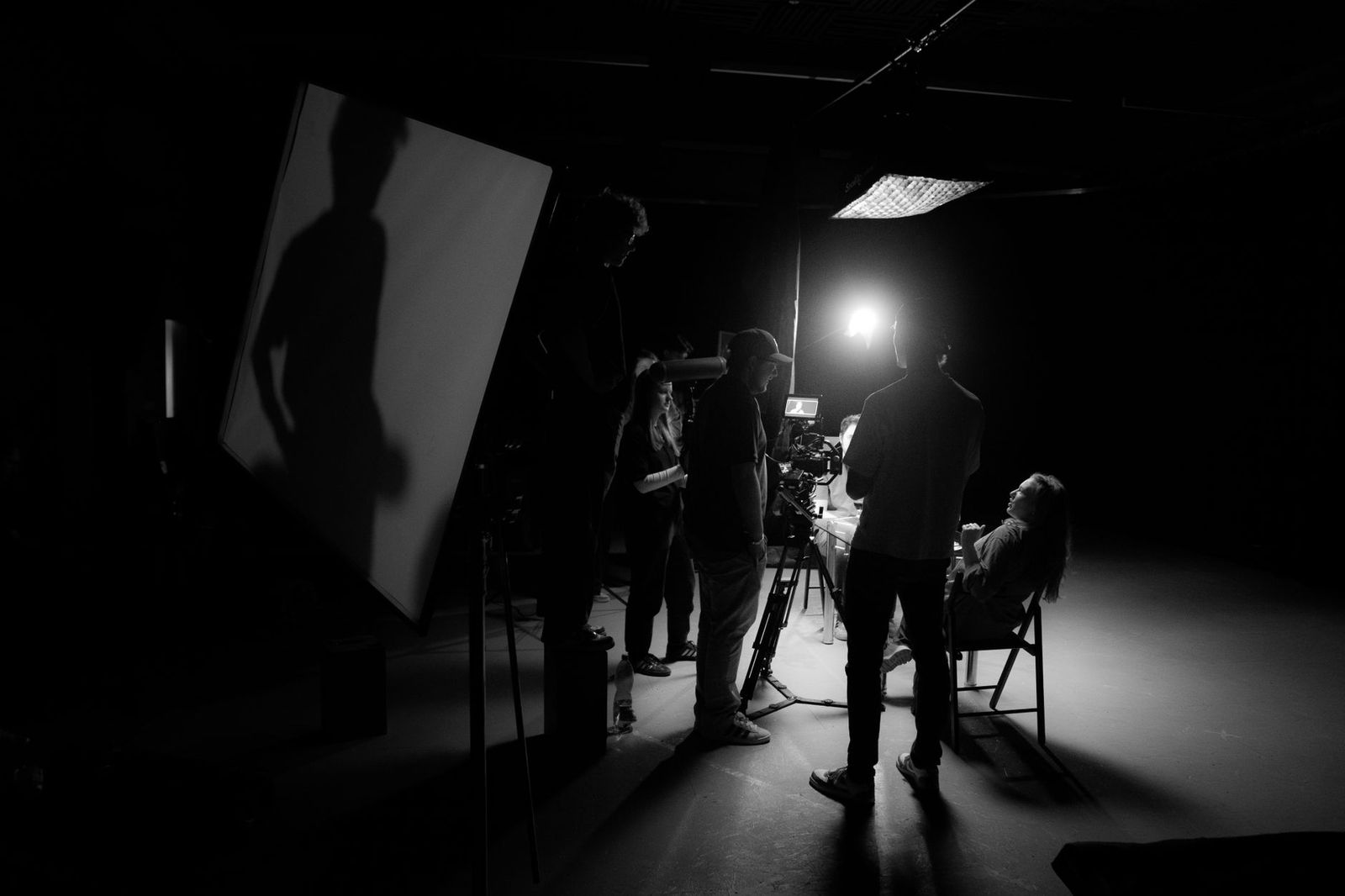
Night shoots invert the day, and a chauffeur working a 14-hour production day is a safety issue like anyone else. For very long days, a second chauffeur is added or the chauffeur changes mid-shift; tell dispatch the expected wrap so the plan accounts for rest. Turnaround applies to the people in the car too: a 7 p.m. wrap and a 5 a.m. call is a short night, and the shuttle times should be on the call sheet so nobody waits in a cold car park.
Can one car serve Cobourg, Port Hope and the County in one day?
Yes, on an hourly booking. Cobourg to Port Hope is 12 to 15 minutes; Cobourg to Picton is 75 to 90 minutes, 101 km. A day that starts in Port Hope and ends on a County farm is a full standby day, and summer Saturdays toward Sandbanks add time. Group the County scenes together if the schedule allows.
How do weather and lake-effect snow affect a winter shoot?
Lake-effect squalls off Lake Ontario can whiten short stretches of the 401 and the shore roads while the next town is clear. Cars run winter tires from November to April, dispatch checks Ontario 511 before early calls, and on a warning night we suggest moving the first shuttle earlier rather than missing the call.
What should the transport coordinator send?
- The call sheet or a transport list: names, pickup addresses, calls and contact numbers.
- Base camp, cast holding and set addresses, with where cars may stop.
- Flights and trains for arrivals and departures.
- Any confidentiality notes. Chauffeurs do not discuss passengers, scripts or locations.
- Accessibility needs; a wheelchair-accessible vehicle can be booked ahead.
How is billing handled for a production?
Each trip is a fixed, all-in fare on the engine. Put the production's reference in the booking notes so it prints on every confirmation, and agree any consolidated billing with the dispatch desk before the first shoot day. Changes to call times are routine; cancellation charges start inside 72 hours of a scheduled pickup, so send revised call sheets as early as you can. If cast flights and hotels are still open, our travel desk can book them.
How do I book the first move?
Start with the first cast arrival and the first crew shuttle, then add standby days as the schedule firms. The same dispatch desk handles every change, at any hour.