


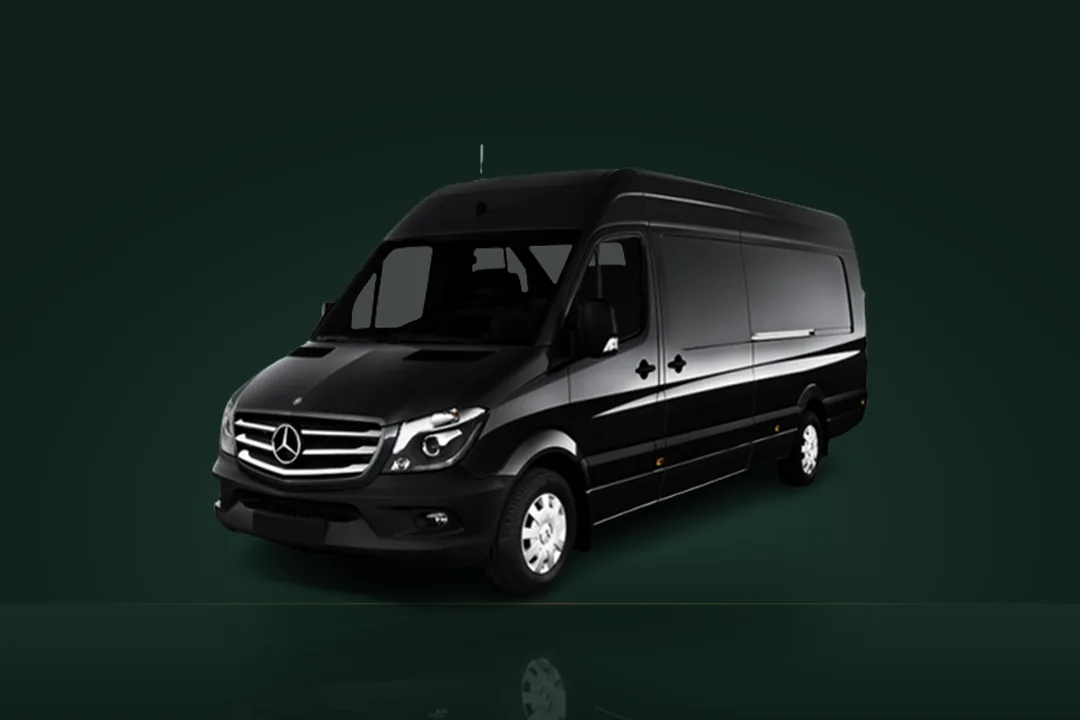
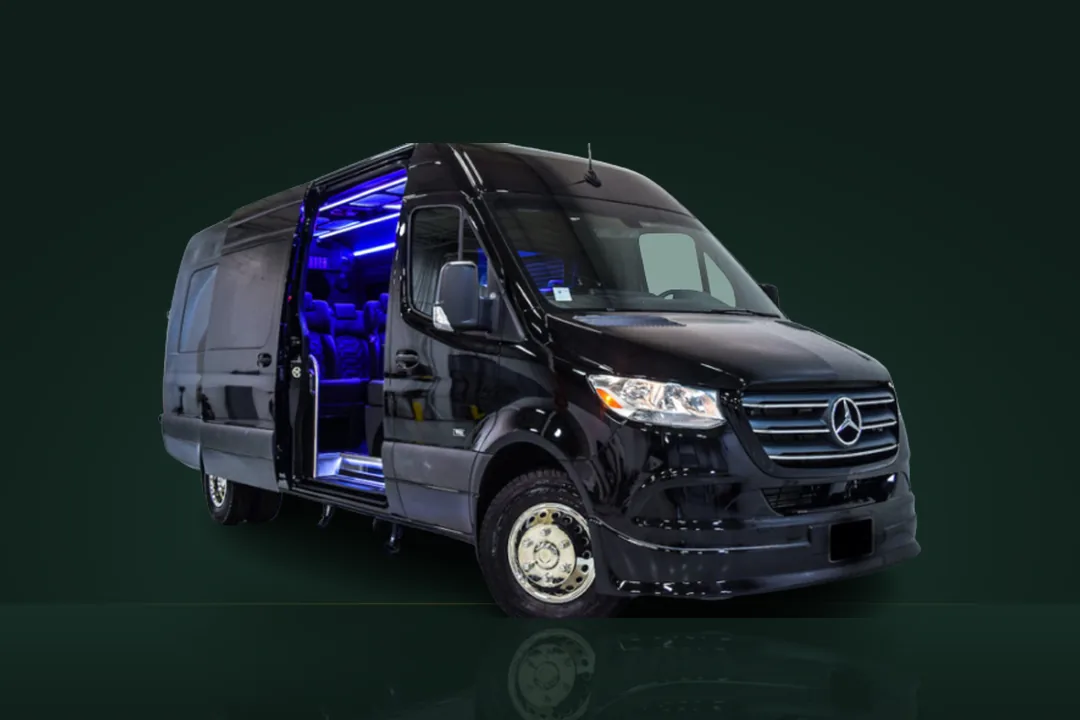
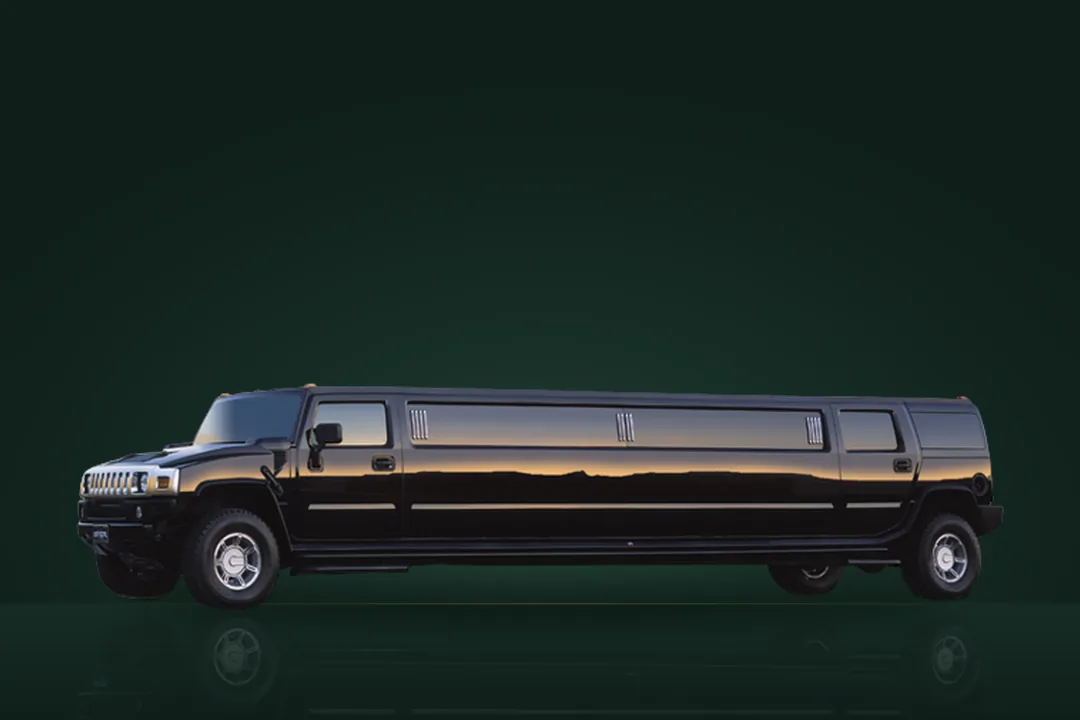

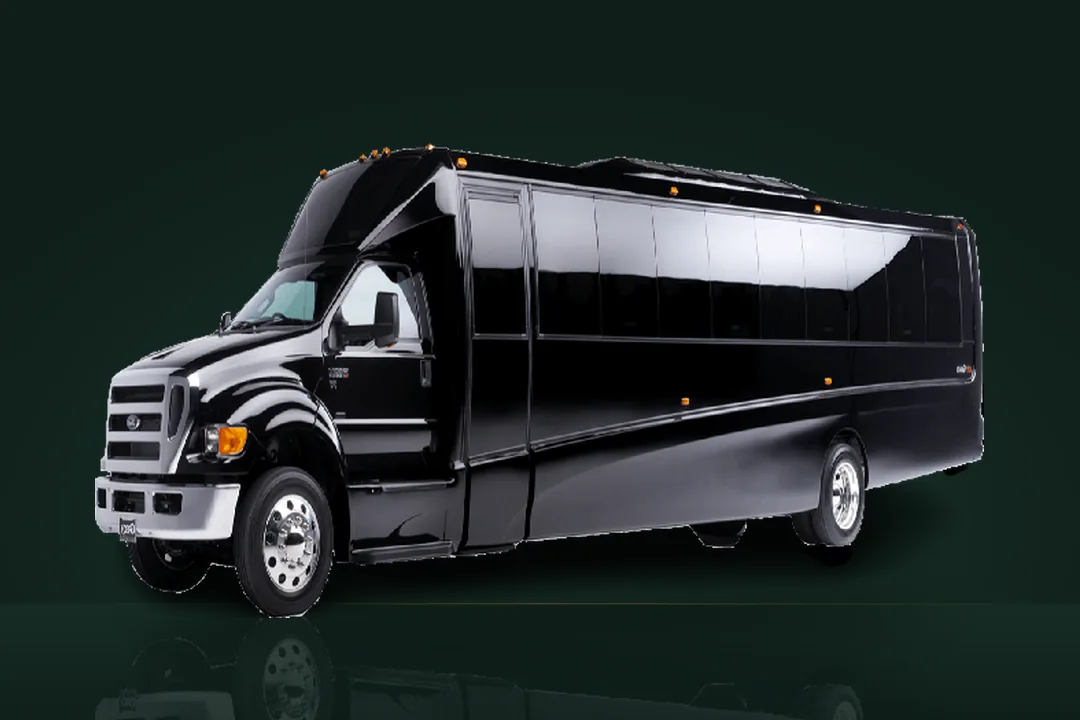








A corporate car service account puts a Northumberland company's airport runs, Union Station pickups, client visits and site days on one dispatch desk, with named bookers, traveller profiles and your reference on every confirmation. Fares stay fixed and all-in: Cobourg to Pearson is $500–575 in a business sedan (127 km). A firm booking twice a year can simply book trip by trip at CobourgLimo.com/book/.
Our corporate car service for Northumberland companies page lists what we drive; this post is the checklist for the person who has to set it up, usually an office manager, an executive assistant or a controller. Anyone can book a company trip on the reservation engine today, account or not: choose the vehicle, see the fixed all-in fare, confirm.
What is a corporate car service account, and does your business need one?
An account is an agreement with our dispatch desk about who travels, who may book for them, and how each trip should be referenced so the confirmation lands in the right cost centre. It does not change the fare: every trip is still priced on the engine, fixed and all-in, before anyone confirms. What changes is the friction. Bookers do not retype the same passenger details, travellers get the vehicle the policy allows, and the person reconciling expenses sees one consistent format every month.
When is booking trip by trip enough?
If your business sends someone to Pearson twice a year, an account is more paperwork than it saves. Book each trip on the engine and put the purchase-order or cost-centre reference in the notes; it prints on the confirmation. The account starts paying off at roughly a trip a month, or the first time three different people book in the same week and nobody knows what the others agreed.
Who in the company should be allowed to book?
Keep the list short. Most Northumberland firms name two or three bookers: an assistant who handles the leadership team, someone in operations for crews and contractors, and a backup. Bookers can book for anyone on the traveller list. Travellers can book for themselves. Changes on the day go through the dispatch desk, which answers at every hour, so a flight moved at 11 p.m. does not wait for the office to open.
What should a traveller profile include?
- Full name as on the ID, for airport and FBO meets.
- Mobile number the chauffeur can text on the day, not the office line.
- Home address and any gate code or driveway note for a rural Northumberland pickup.
- Default vehicle class under your policy.
- Preferences that matter: a child seat for a parent travelling with a toddler ($25 each, added at booking), a quiet cabin, a wheelchair-accessible vehicle booked ahead, a service animal.
- The reference format: cost centre, project code or PO number.
Which trips does a Northumberland firm actually book?
| Trip | From Cobourg, km | Drive time | Business sedan (2/2) | Business SUV (6/6) |
|---|---|---|---|---|
| Toronto Pearson (YYZ) | 127 | 1.25–2 h | $500–575 | $640–735 |
| Union Station / downtown Toronto | 120 | 1.25–2 h | $490–565 | $620–715 |
| Billy Bishop (YTZ) | 122 | 1.5–2 h | $520–600 | $670–770 |
| Oshawa Executive (YOO) | 69 | 45–60 min | $330–380 | $430–495 |
| Peterborough | 57 | 45–55 min | $300–345 | $390–450 |
| Belleville | 75 | 50–60 min | $350–400 | $440–505 |
| Kingston | 150 | 90–110 min | $575–660 | on the engine |
| Hourly, any day of meetings | — | 3-hour minimum | $135–155 / h | $190–220 / h |
One-way, all-in planning ranges from Victoria Hall; the reservation engine shows the exact fixed fare for each address and date. Visitors who fly in and out on known dates often take the Pearson round-trip package: $1,000 all-in in a business sedan.

How should a travel policy pick the vehicle class?
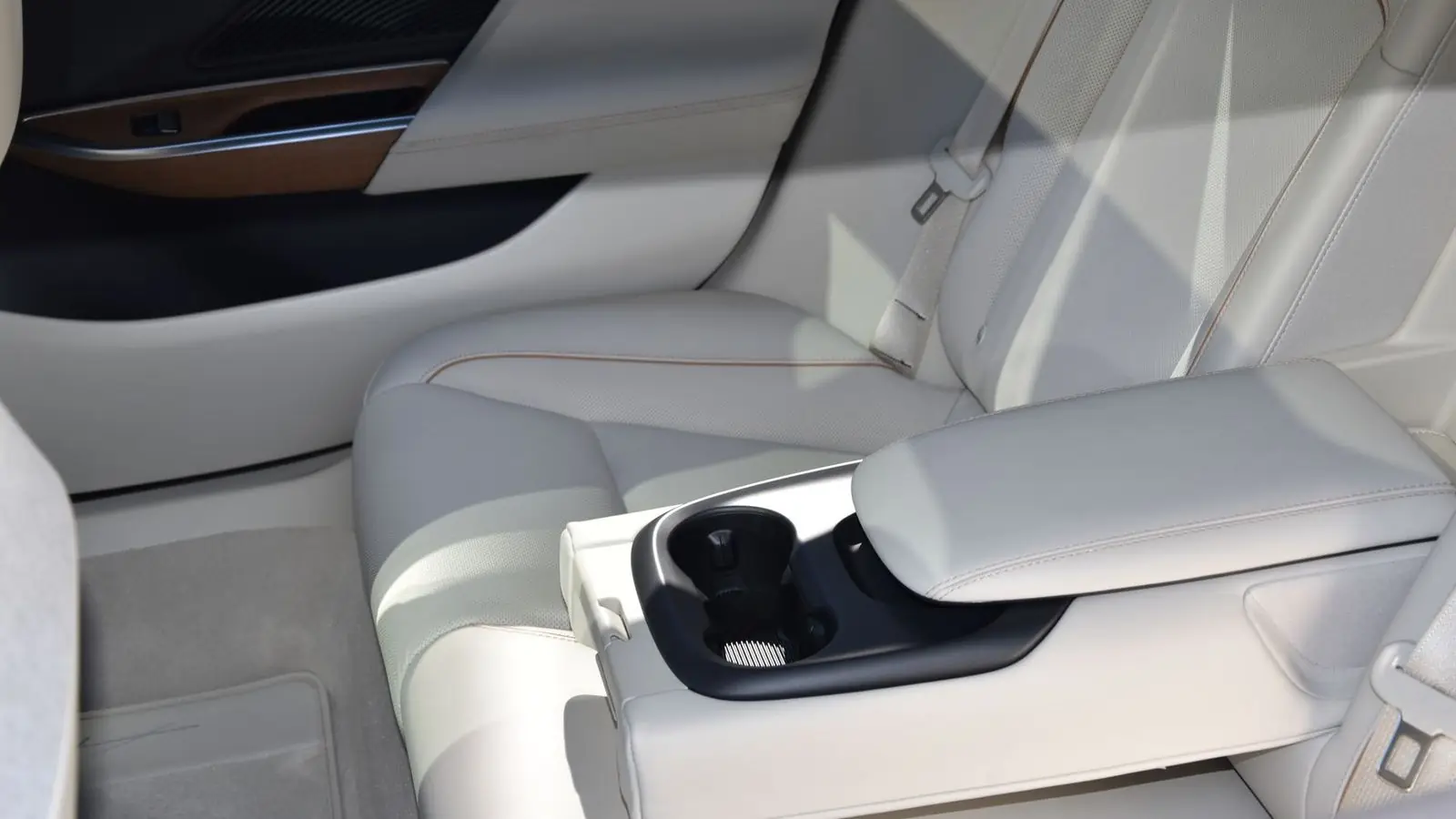
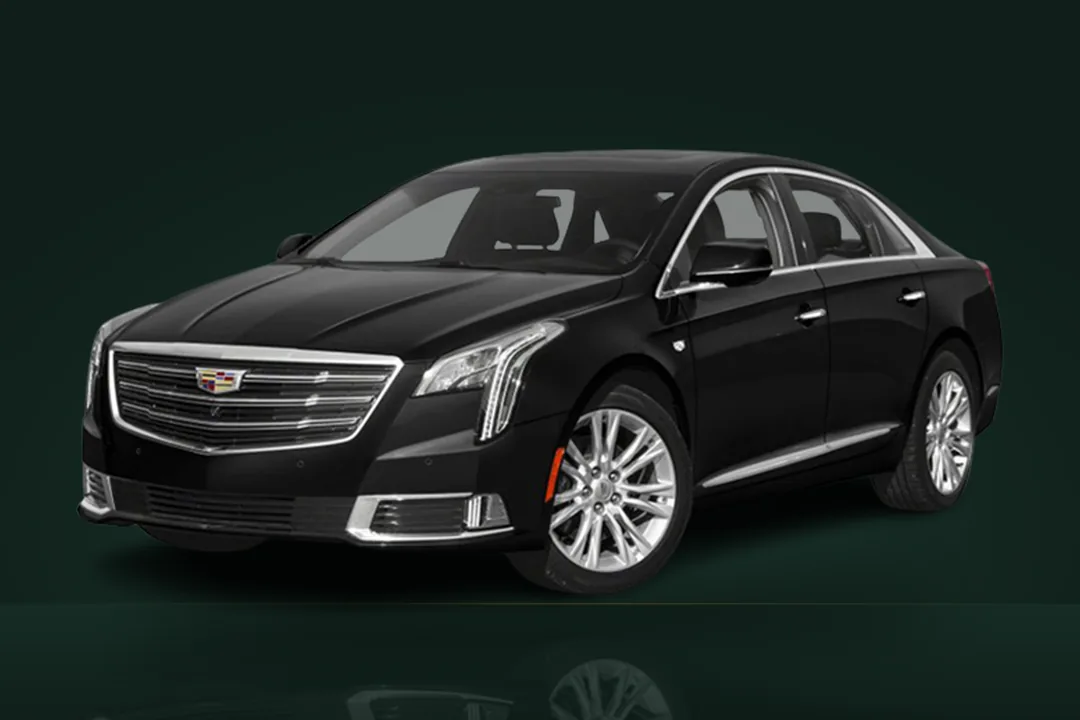
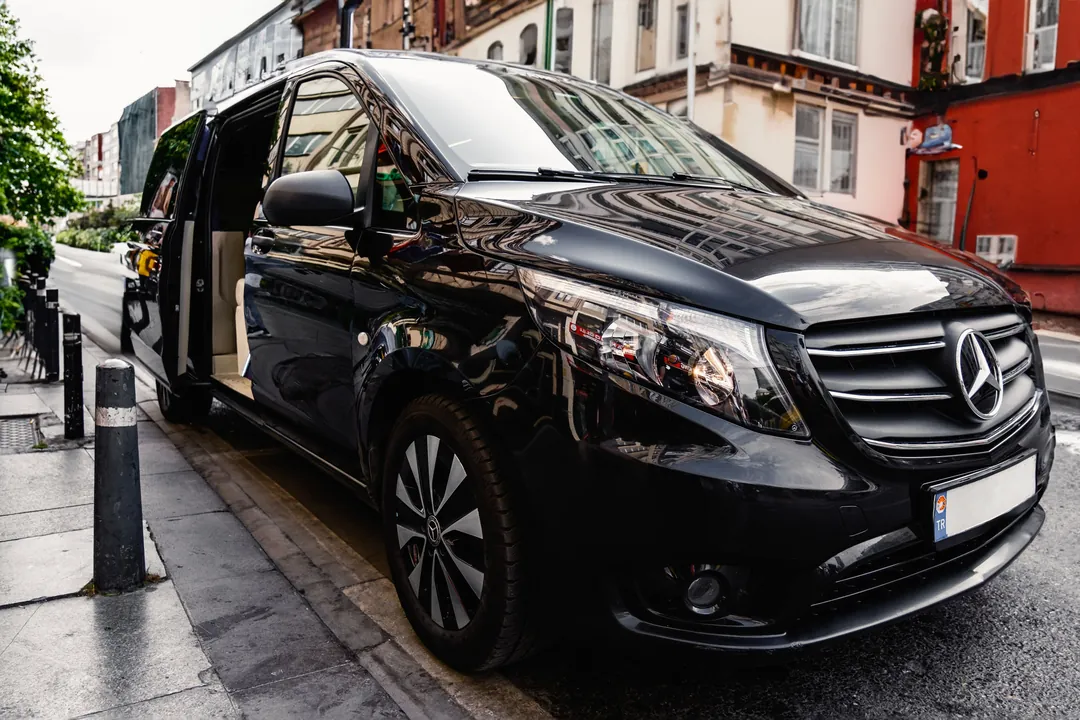
Write the policy around passengers and bags, not titles. A business sedan carries two passengers and two bags, which covers most solo airport runs. Three travellers, or two with checked luggage, need a business SUV for up to six. A first-class sedan ($1,070–1,230 to Pearson) is a choice for a VIP client, not a default. An Executive Sprinter for up to 12 suits a team heading to a conference or a supplier visit. Our post on sedan or SUV for a client pickup works through the edge cases.
How do references and cost centres appear on bookings?
Put the reference in the booking notes in the same format every time, for example the project code first, then the traveller's department. It prints on the confirmation the booker receives. If your finance team wants a monthly list of trips by reference, agree that with the dispatch desk when you set the account up; until then, the confirmations are the record.
How do visiting clients and candidates fit the account?
Visitors are travellers too, just temporary ones. Add the visitor's name, mobile number and flight number to the booking, not the host's. At Pearson the fare includes a curbside pickup at the terminal's commercial pickup area, for pre-arranged cars at Door A on the Arrivals Level, timed to the actual landing. For a first-time visitor, the meet and greet service is a $150 add-on: the chauffeur waits inside arrivals with a name board. Our Toronto Pearson airport page covers both terminals, and the airport's own transportation and parking page shows the arrivals layout.
What does a fixed fare do for expense claims?
It removes the arguments. The engine's fare already includes the chauffeur, vehicle, fuel, 407 ETR tolls if the planned route uses that highway, airport fees, gratuity and the taxes the engine shows. There is no meter, no tip line to approve and no surcharge for a 4 a.m. pickup or a holiday. A traveller cannot come back with a figure that differs from the confirmation unless the trip itself changed, for example waiting time beyond the included window.
Is the car cheaper than staff driving themselves?
Often it is not, and you should know that going in. An employee driving their own car 120 km to Toronto and back costs the company a mileage claim and downtown parking, usually less than $980–1,130 for two business-sedan transfers. The car service buys other things: two to four hours of working time on the 401, no fatigue on the drive home after a long-haul flight, no parking search downtown, and one less staff member driving the 401 in a lake-effect squall in January. Set the policy by trip type: drive for local errands, book the car for airports, early starts and anything after a flight.
How do cancellations and changes work on company trips?
Cancellation is measured from the scheduled pickup: more than 72 hours before costs nothing; 72 hours or less is charged 10 per cent; 48 hours or less, 50 per cent; 24 hours or less, or a no-show, 100 per cent. A delayed flight is not a cancellation; the chauffeur tracks it. Tell your bookers the 72-hour line, because most avoidable charges come from meetings that were cancelled on a Tuesday and the car nobody remembered until Thursday.
What about plant shifts, crews and offsites?
Manufacturing and fabrication are among the industry clusters the Town of Cobourg's economic development office lists, and those firms move people in groups: contractors for a shutdown, a commissioning crew, auditors for a week. An Executive Sprinter carries up to 12; larger groups use partner coaches priced in writing by a coordinator. See our post on employee shuttles for shift workers and the Northumberland County business pages for the wider picture.
How does the travel desk fit with flights and hotels?
If the trip also needs flights or hotel rooms, our travel desk arranges them through BookingWorldwide.net, and the car is booked around the confirmed itinerary. That keeps the flight number on the ground booking from day one, which is what makes flight tracking work.
How do we get started?
Send the dispatch desk your traveller list, your bookers and your reference format, or simply start booking trip by trip on the engine and set the account up once the pattern is clear. Either way, the fare on the first trip is the same.