









To track private flight arrivals, CobourgLimo.com dispatch follows the aircraft's registration (tail number), not the filed time, so the chauffeur is at the FBO door before wheels-down at Pearson, Billy Bishop, Oshawa Executive, Peterborough or Kingston. Send the tail number, departure airport, estimate, handler and a contact. Pearson to Cobourg is about 127 km, $500–575 in a business sedan. Book direct at CobourgLimo.com/book/.
Why do we track private flight arrivals by tail number, not a flight number?
Because there usually is no flight number. An airline flight has a code, a gate and an arrivals board; a business jet or charter has a registration painted on the airframe and a plan filed by the crew. Every booking on our private jets and FBOs hub starts from that registration, and you can book a private-flight pickup now: choose the vehicle, see the fixed all-in fare, confirm. This post explains what dispatch does with the details you send, and why a few extra lines in the booking notes save a lot of waiting on either side.
What does a tail number look like?
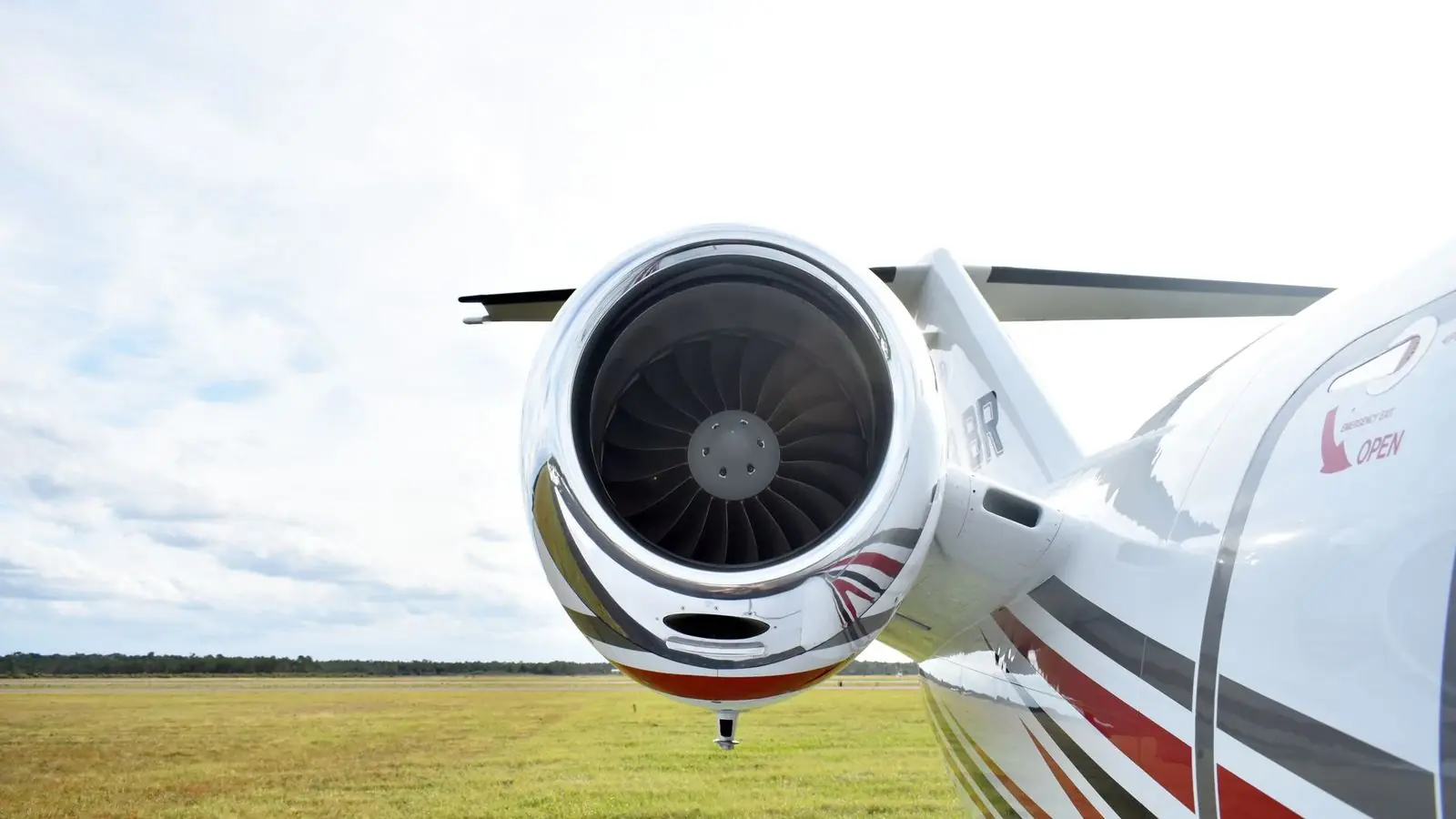
Registrations follow national prefixes. According to the aircraft registration reference, Canadian aircraft carry marks beginning C-F, C-G or C-I, followed by three letters; aircraft registered in the United States carry an N-number. A charter operator may also fly under a radio callsign that is different from the registration. Send both if you have them, exactly as printed on the trip sheet.
What exactly should you send dispatch?
| Detail | Example of the format | Why we need it |
|---|---|---|
| Registration | C-Gxxx or Nxxxx | Follow the aircraft, not the plan |
| Departure airport | Field name or code | Know when it actually leaves |
| Estimated arrival | Local time at our end | Place the chauffeur early |
| Handler or FBO | Name on the trip sheet | Choose the right door |
| Passengers and bags | 4 people, 6 bags, 1 golf bag | Send a vehicle that fits |
| Contact on the day | Coordinator or lead passenger mobile | Confirm changes in real time |
| Final address | House, inn or office | Price and route the drive |
Nothing on that list is shared outside dispatch and the assigned chauffeur.
Why isn't the filed time good enough?
A filed time is a plan. The aircraft may leave early because the passengers arrived early, late because a crew is waiting on fuel or de-icing, or on time but faster with a tailwind. On a two-hour flight, a 20-minute swing either way is ordinary. If the chauffeur is placed from the filed time, the passengers either wait at the door or the car sits far longer than planned. With the registration, the dispatcher sees the actual departure, watches the estimate update, and moves the chauffeur accordingly, so the car is in place before the aircraft stops.
What if the aircraft doesn't show on public tracking?
It happens, and it is not a problem if you have told us who to ask. Public flight-tracking data can lag, lose an aircraft over water, or omit it altogether. In the United States, the FAA's Limiting Aircraft Data Displayed program lets owners have their flight data filtered from public display by participating sites. Many principals use it for good reasons. In that case we rely on the coordinator or crew: one message at departure and one estimate en route is enough for the dispatcher to time the chauffeur.
What happens when the flight is early?
Our chauffeurs are placed ahead of the estimate, not at it, so a modest early arrival is covered. For a big change, such as passengers arriving at the departure FBO an hour early and the crew leaving straight away, a quick message to dispatch lets us move the car. If we cannot reach the door before landing, we tell you the honest time rather than a hopeful one.
And when it is late, or diverts?
Included waiting is counted from actual landing: 30 minutes for Canadian domestic and US departures, 60 minutes for other international arrivals, then 15-minute blocks. A flight that leaves late simply moves the car. A diversion is different: weather or a field's hours can send an aircraft to another airport, for example from Oshawa Executive to Pearson late in the evening. The car follows, the reservation engine reprices the pickup to the new airport, and the coordinator gets the new meeting point. Our post on meeting a private flight at Oshawa Executive walks through that case.
How do customs and the handler affect the timing?
On a flight arriving from outside Canada, landing is not the same as release. The CBSA's general aviation page says the pilot makes a final call to the Telephone Reporting Centre on landing and travellers cannot leave the aircraft until authorized. Then the handler brings passengers and bags in. The dispatcher plans for that gap, which is why the 60-minute window applies to overseas arrivals. For US flights, see our post on private flights from the US and customs.
Does it work the same way at every airport we serve?
The principle is the same; the door changes.
| Airport | Where the chauffeur waits (included) | From Victoria Hall | Business sedan |
|---|---|---|---|
| Toronto Pearson FBOs | The FBO's landside door | 127 km, 1.25–2 h | $500–575 |
| Billy Bishop (Porter FBO) | Mainland side unless arranged | 122 km, 1.5–2 h | $520–600 |
| Oshawa Executive | FBO or terminal door | 69 km, 45–60 min | $330–380 |
| Peterborough | FBO or terminal door | 47 km, 35–45 min | $270–310 |
| Kingston | FBO door or terminal parking | 145 km, 1.5–1.75 h | $560–645 |
At Pearson, Signature is one of the private terminals; at Billy Bishop the handler is Porter FBO. Our Pearson FBO car service and Billy Bishop private flight service pages describe each meeting point.

Who should be the contact on the day?
One person, ideally the flight coordinator or an assistant on the ground, rather than the passenger on board. Passengers switch phones to flight mode; coordinators see crew messages. Give dispatch that person's mobile and a backup. If the lead passenger prefers to be contacted directly, say so, and the chauffeur will send a single short message with the car and the meeting point once the aircraft is down.
Do we keep the tail number private?
Yes. Registrations, passenger names and addresses stay with dispatch and the assigned chauffeur. Chauffeurs do not photograph aircraft or clients, post on social media or discuss who they drove. That discretion matters to owners who limit their public flight data, and it applies to everyone.
What if you don't know the tail number yet?
Book anyway with the filed time and the operator's name, and add the registration when the operator assigns the aircraft, often the day before. A charter can change airframes at short notice; just send the new registration. The fixed fare does not change unless the airport, the vehicle or the passenger count does.
Which vehicle should meet the aircraft?
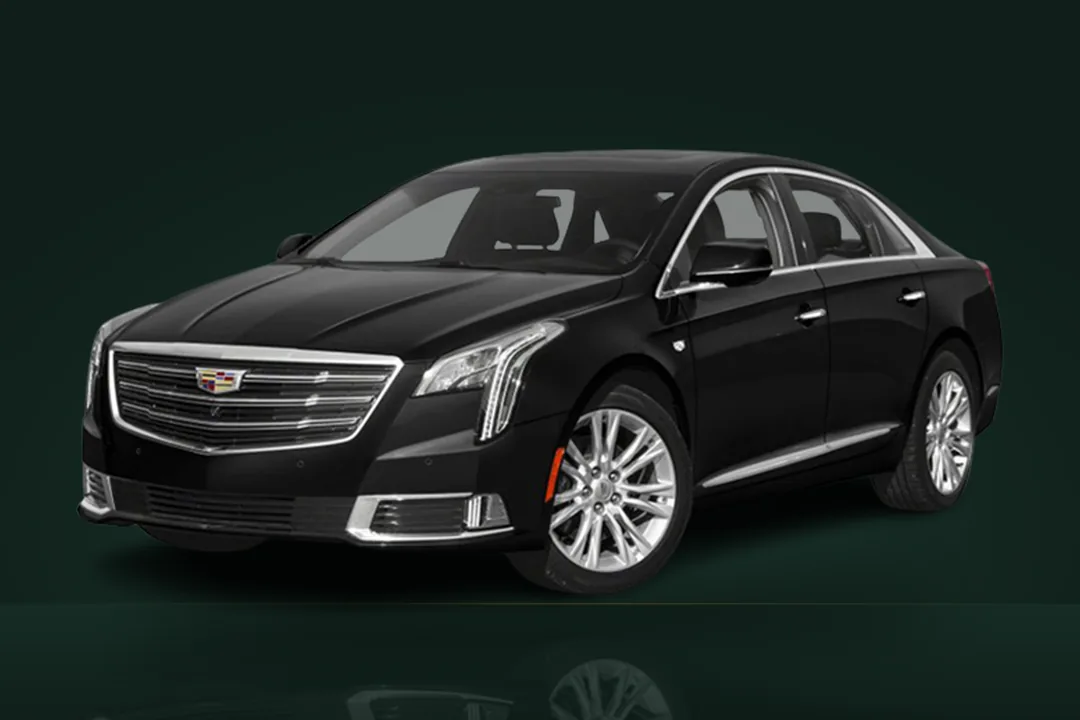
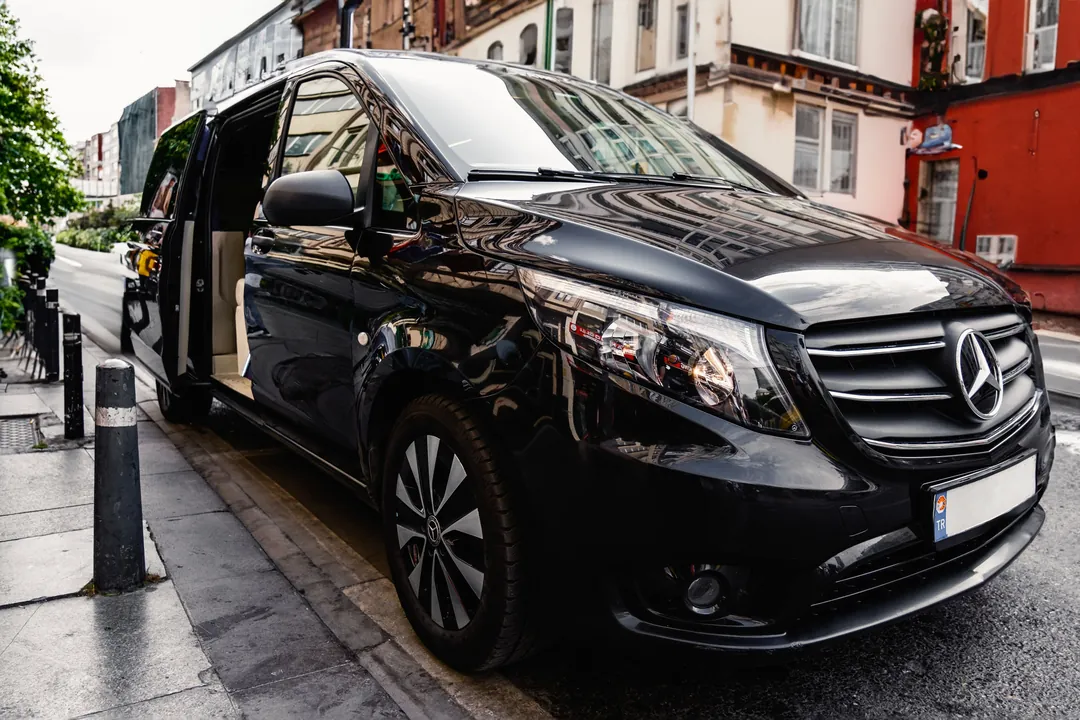
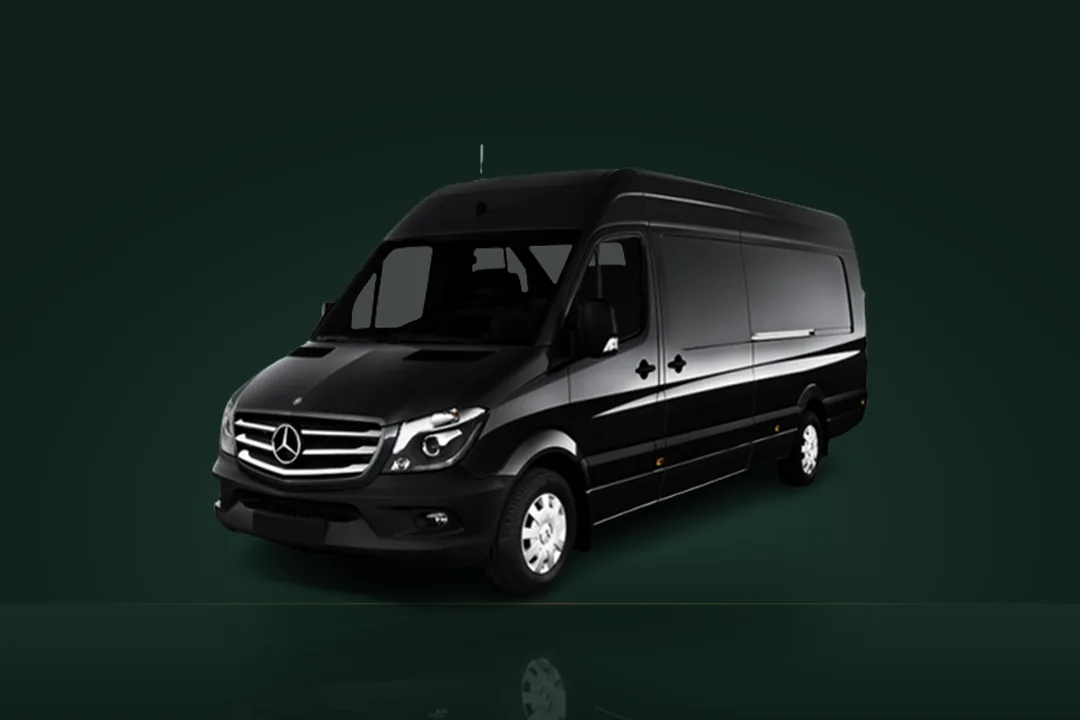
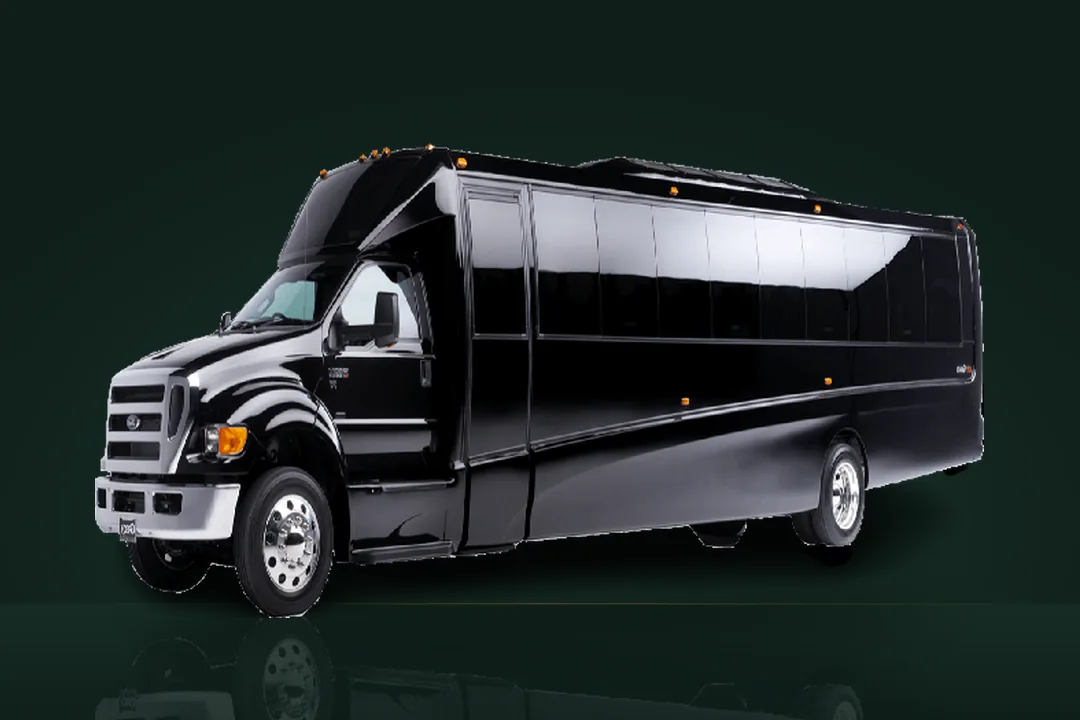
Match the car to the bags, not just the seats. A business sedan on this booker takes two passengers and two bags; a business or executive SUV takes six and six; the Jet Sprinter seats seven with five bags in lounge chairs; the Executive Sprinter takes 12 and 12. Our post on the Jet Sprinter for a crew or team covers the larger parties.
How do you book a tracked private-flight pickup?
Open the reservation engine, choose the airport and FBO, paste the registration, departure airport and estimate into the notes, choose the vehicle and confirm. For the rest of the trip, including airline legs for other guests, our travel desk can help. Operators new to the region may find the Canadian Business Aviation Association useful.